
Bare Concrete Brought to a Clean, Sealed Finish
Concrete floor polishing in Walton for bare basement and garage slabs that need a smooth, low-maintenance surface without a full coating system
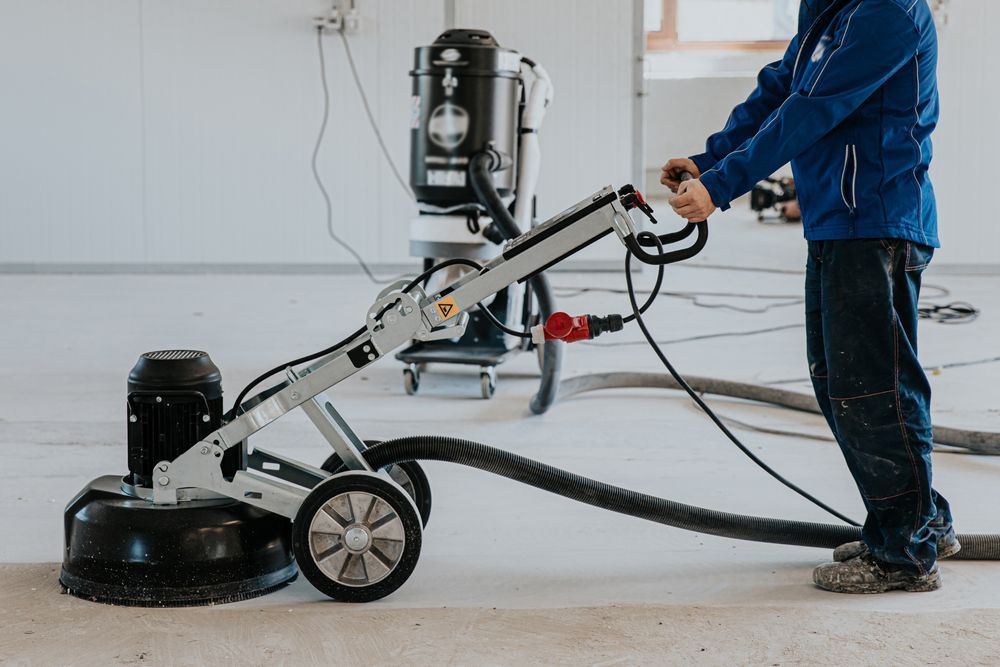
Many basement and garage slabs across Walton and the surrounding Delaware County area were poured bare and left unfinished for decades—no paint, no sealer, no coating of any kind. Those slabs dust constantly, absorb spills into the concrete matrix, and show every scuff mark because the surface has never been sealed. Polishing works through the concrete itself rather than adding a layer on top of it, which means the finished surface is the slab material brought to a refined state rather than a coating that can peel or delaminate. Epoxy Creations LLC offers concrete floor polishing for homes, garages, and commercial spaces in Walton, using the grinding and polishing equipment needed to bring a bare slab to a smooth, sealed finish on site.
The process runs through progressively finer abrasive grits, with each pass refining what the previous pass left. Before polishing begins, cracks and high spots are addressed so the grinding sequence works across a consistent plane rather than cutting unevenly at raised edges. A sealer is applied at the end to close the concrete surface, which is what stops the dusting and absorption that an unfinished slab produces. All equipment is brought to the property, so the work is completed in place without the slab needing to be moved or relocated.
Arrange an on-site slab assessment with Epoxy Creations LLC to determine the current surface condition and what polishing level the concrete will support.
What Proper Concrete Polishing Actually Requires
Polishing concrete is a progressive material removal process, not a surface application. Each grit stage removes the scratches left by the previous, coarser stage, and skipping grits in the sequence leaves visible scratch patterns in the finished surface that no sealer will hide because they are in the concrete itself, not on top of it. The number of passes required to reach a given sheen level depends on the starting condition of the slab—a slab with trowel lines, aggregate exposure, or previous surface treatment requires more passes at the coarser grit levels before the finer stages can begin. Epoxy Creations LLC assesses the slab before quoting, which is how the appropriate sequence is determined for each floor rather than applying a fixed process regardless of what the concrete shows.
Once polishing is complete and the sealer has been applied, the floor dusts significantly less than an unfinished slab because the surface pores that released concrete dust have been ground closed and sealed. Spills sit on the surface rather than absorbing into the concrete, the floor reflects light in proportion to the sheen level achieved, and the finish does not require periodic reapplication the way a painted or coated surface does—the polished finish is in the concrete, not applied to it. That characteristic is what makes polished concrete a practical choice for basement spaces used as living areas or workshops where a full epoxy coating system is more than the situation requires.
The achievable sheen level is partly a function of the aggregate content and density of the specific slab—denser concrete with fine aggregate polishes to a higher gloss than a coarser, more porous pour from the same era. Older Walton-area slabs vary considerably in mix quality depending on when and how they were poured, which is why the on-site assessment matters before a sheen level is committed to. Epoxy Creations LLC owns the polishing equipment rather than renting it per job, which allows the sequence to be adjusted on site as the slab responds without the cost pressure of a time-limited equipment rental.
Answers About the Polishing Process
These questions cover how concrete polishing works in practice—what the process involves, what affects the outcome, and what the finished floor looks and behaves like.
How does the crew determine what grit sequence to use on a specific slab?
The starting grit is selected based on how rough or damaged the surface is—a heavily worn slab with surface pitting starts at a coarser grit than a relatively smooth slab, because the first passes need to cut below the existing surface condition before refinement can begin.
What happens to cracks and high spots before polishing starts?
High spots are ground down to bring them into the plane of the surrounding slab, and cracks are filled before the polishing sequence begins so the abrasive passes run across a consistent surface rather than cutting deeper at the edges of an open crack.
Why does the sealer go on after polishing rather than before?
Sealer closes the surface pores that remain after polishing, and applying it before the polishing sequence is complete would fill pores that subsequent abrasive passes would then re-open—the sealer is the final step because it locks in the refined surface the polishing created.
What does the floor look like and behave like differently from an unpolished slab?
A sealed, polished concrete floor no longer produces the fine dust that unfinished slabs release under foot traffic and equipment movement, spills bead on the surface rather than staining into the concrete, and the sheen level—whether matte or high-gloss—is consistent across the floor rather than varying with surface porosity.
How do older basement slabs in the Walton area typically respond to the polishing process compared to newer pours?
Slabs from earlier decades often used coarser aggregate mixes and hand-finishing techniques that left more surface variation than modern pours, which means the early grit passes do more corrective work before the refining stages can begin—the overall result is still achievable, but the preparation phase typically takes more passes than a newer slab requires.
Epoxy Creations LLC also polishes concrete floors in Sidney, Oneonta, Stamford, Hancock, and Binghamton. Call (607) 644-2211 to schedule your on-site assessment and find out what sheen level your slab will support.