
Wood and Resin Built as One Piece
River table epoxy in Walton for homes and gathering spaces that need a statement furniture piece
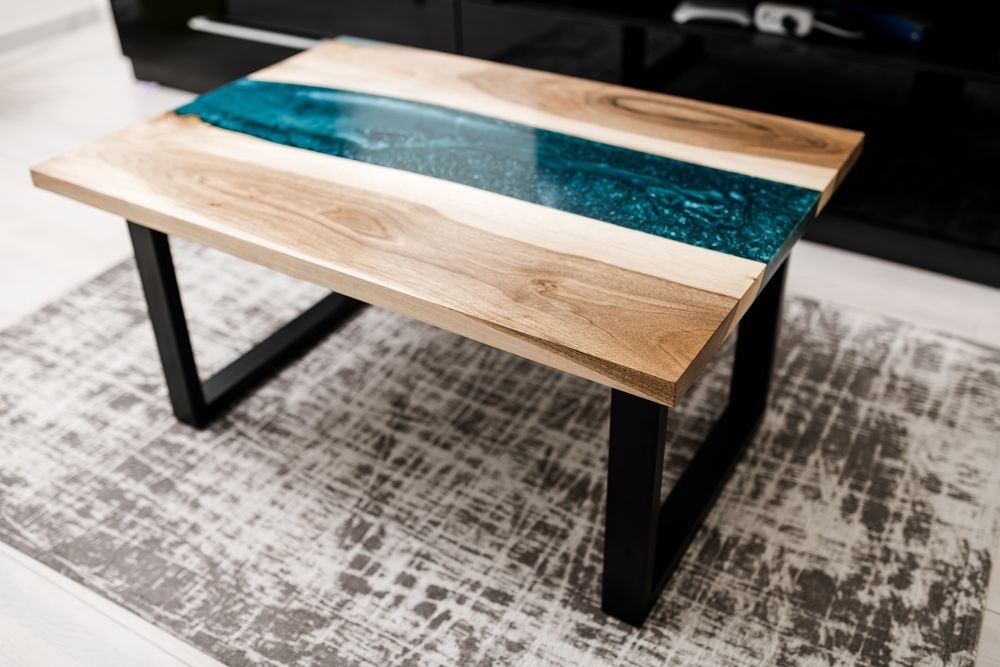
A finished river table is easy to recognize: a channel of clear or colored resin runs through the center of a wood slab, appearing to flow the full length of the piece. Getting there requires a sequence of preparation, sealing, staged pouring, and finishing that determines whether the resin is optically clear or full of trapped bubbles and heat cracks. Epoxy Creations LLC handles every stage of that process in-house, from the initial wood and color discussion with the customer through the final sanding and finishing of the completed table.
Homes and lodges across Delaware County—including properties in Walton and Delhi—are a strong fit for this type of piece. The mix of rural character and open interior spaces common in the area's farmhouses and hillside properties gives a large wood and resin table room to function as the visual center of a dining or gathering area rather than competing with a cluttered room. The owner works with each customer in person to select the wood species, river color, and overall table dimensions before fabrication begins.
Set up a design conversation with the owner to discuss wood selection, river color, and table size before any material is sourced or cut.
What Proper River Table Construction Requires
Before epoxy touches wood, the channel that forms the river must be sealed so the resin does not seep into the grain or escape beneath the slab. Skipping or rushing this step is one of the most common causes of leaks and surface imperfections in river tables built without staged preparation. Once the channel is sealed and verified, the epoxy is poured in stages—not as a single large volume—because a deep single pour generates enough heat during curing to yellow the resin, crack the pour, or trap air in columns that surface as bubbles.
After full curing, the table is sanded progressively to level any variation between the wood surface and the epoxy surface, since they cure and settle at slightly different rates. What the customer sees at the end is a top that is genuinely flat across both materials, with the river sitting flush rather than slightly sunken or proud of the wood. The resin in a correctly poured and finished table has optical clarity—objects placed beneath the surface are visible without distortion or cloudiness.
Wood selection affects more than appearance. Species with open grain—like walnut or oak—require more thorough sealing before the pour because the resin will follow any path into the wood fiber if the surface is not fully closed. The owner's in-person design process addresses these material-specific decisions before fabrication begins, so the finished table reflects what the customer actually chose rather than a best-guess interpretation of a remote order.
Answers About How the Work Is Done
These questions cover the construction and design decisions involved in a custom river table, from wood preparation through the final finishing stage.
Why is the epoxy river poured in stages rather than filled all at once?
Deep single pours produce significant heat as the resin cures, which can yellow the epoxy, introduce cracks, or trap air columns that show as bubbles throughout the river. Staged pouring keeps each layer thin enough to cure cleanly before the next is added.
How is the wood channel prepared before the resin is poured?
The channel edges and any open grain near the pour zone are sealed with a barrier coat before the river pour begins. This prevents the liquid epoxy from wicking into the wood fiber or leaking beneath the slab.
What wood species work well for a river table, and how does the choice affect the build process?
Dense, closed-grain species require less sealing preparation than open-grain hardwoods, but either can be used with proper prep. The owner discusses species options with the customer during the design conversation, including how each affects the color relationship between the wood and the resin river.
How do you verify the epoxy surface is flush with the wood surface after curing?
After curing, the table is sanded progressively across both materials to bring them to the same plane. A straightedge across the top at multiple points confirms whether any section of the river sits above or below the surrounding wood before finishing begins.
What does a finished river table look like when the pour and finishing are done correctly?
The resin channel is optically clear or carries consistent color with no cloudiness, and the surface reads as flat across both the wood and the epoxy with no visible seam or height difference at the boundary between the two materials.
Epoxy Creations LLC also builds custom river tables in Sidney, Oneonta, Stamford, Hancock, and Binghamton. Call (607) 644-2211 to begin the design conversation with the owner and work through wood selection, river color, and table dimensions for your project.